
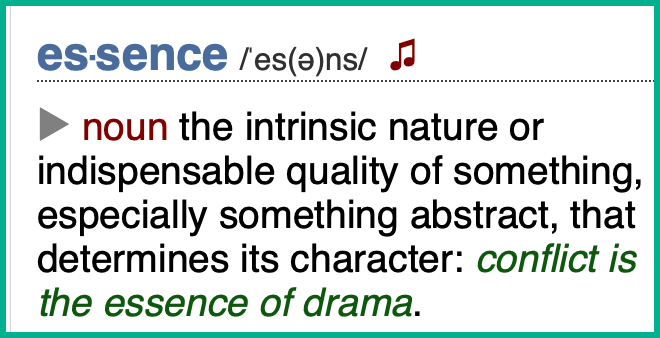
In the old days, it was always believed that the essence of who you are comes from your heart. Of course, we now know that the total function of the heart is to pump blood. It has no part of our essence, other than if it stops working, our essence stops working.
Over my years of constantly wondering just who I am, and why I am here, it’s astonishing that I have never thought of looking to neurology for some of those answers. Well, the day has finally come when I look at the three pound cauliflower between my ears being the “heart of the matter”. (pun intended)
From my studies I have discovered that Neuroscience and Philosophy/Religion are two fields that work together to try to answer some of the same questions. These questions include
- How our perception, memory and imagination are related to what we know.
- How consciousness emerges from brain activity.
- And maybe most importantly, how brain activity influences our moral choices, behaviors, and character, and yes, our religious beliefs.
Future posts will try to answer some of these questions. It will be interesting to study the link between Neuroscience and Philosophy/Religion. How we are physically wired does a lot to determine who we are and how we see the world. From my studies so far, no two of us are wired the same way.
I don’t know if you take offense to me merging Philosophy and Religion, but I hope to convince you that there is a forceful relationship between the two. From my distant 4-year study of Christianity, I discovered that there are 35,000+ versions of Christianity, and probably at least that many interpretations of Biblical content. We all seem to be searching for something that agrees with our neurological differences.
I consider Theologians a part of the field of Philosophy. They both seem to do the same thing of telling us what we should believe about this or that. This link will also be studied on this new topic of understanding diversity.
 RJ's Corner - Having My Say
“I consider Theologians a part of the field of Philosophy. They both seem to do the same thing of telling us what we should believe about this or that” Except from my experience, both are doing their job when they cause us to question what we believe about this or that, or at least open our minds to alternative perspectives. Telling us what we should believe is indoctrination, whether religious or philosophical, and I don’t believe the proper role for either theologians or philosophers.
LikeLiked by 2 people