Years ago, I was the treasurer of a small startup Lutheran church. Before that, I just imagined that most of the money that was put in the collection plate went towards doing the things that Jesus wanted us to do. Things like feeding the poor, helping immigrants, providing housing for those who had none. But, the reality I found was that 95% of the collection plate dollars went to real estate and staff salaries. There was simply nothing left after all the bills were paid! I reasoned this off to the fact that we were a small startup congregation, but I later discovered that, even though we were small, we mostly reflected what all churches do.
According to a study released in 2017, Christian churches in the U.S. collected $124.52 billion and spent about $90 billion on staff wages, and buying more land and more buildings! Click HERE if you want to see the source for this info. Here is a list of what could have been provided with that money.

If U.S. churches actually provided the above services, that would only allow a paltry $37 billion/year in their 2017 budget to expand their ministries at the local level. As the article says, “how would the church cope with such small change?”
The thought about this post came from my recent studies of Quakerism. Almost all Quakers groups don’t have any paid staff, and they have very minimal buildings used for their meetings and community related activities. So, that means that a big majority of collections actually go toward things not associated with the local group. Wouldn’t it be nice if all churches would operate with that mindset?
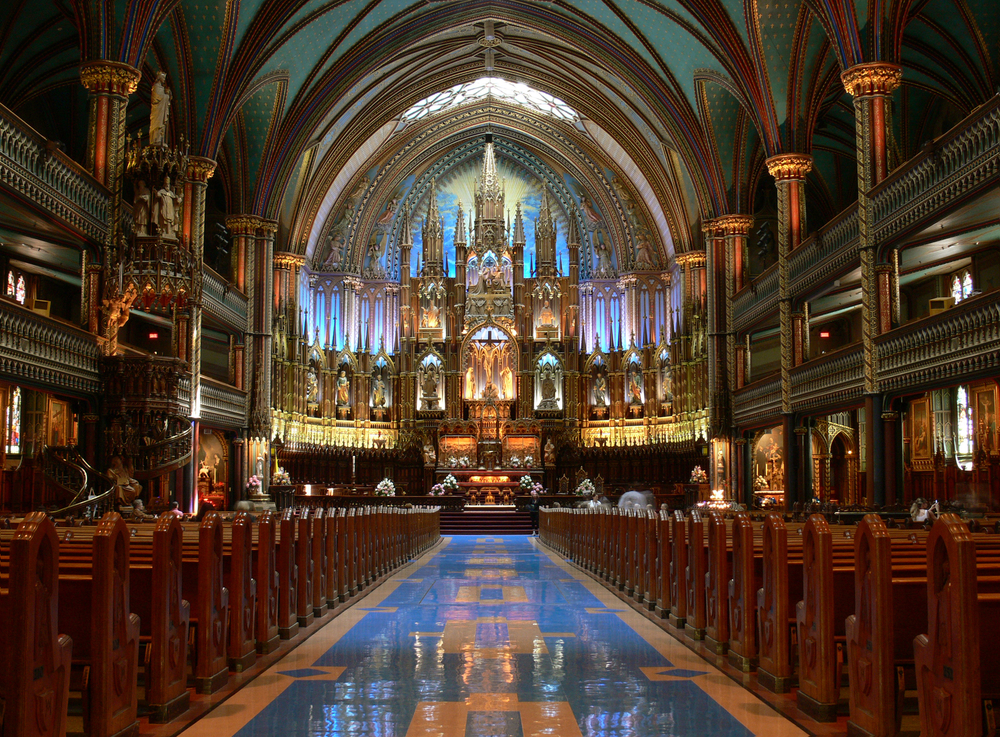
Of course, building a “country club” church is nothing new to most religious communities. The mammoth structures throughout Europe are evidence of that. From a very young age, it just seemed to me that these monoliths are more of a “golden calf” than they are about following Jesus.
Changes like these will almost have to start at the grassroots level, as it seems that most U.S. denominations are about building larger and comfortable congregations, and, of course, self-preservation, to ever consider spending that much money on the poor and “least of these”.
 RJ's Corner - Having My Say
What charities do Quakers do?
I earmark my tithe. Salaries, property upkeep are important for a community who uses a church.
Tithing, specifically, to works with food insecure and working families- electric/gas- helps me be more generous. I don’t see the people my money serves often, so I want the facilities and staff there to represent me. Gifting my minister retreat money was a goal this year. He is called at all hours to serve our tiny parish. He needs time to think and pray.
Our parish further house homeless on the pews during the heat of the summer and cool of the winter. We grow a garden instead of landscape.
Larger Churches are changing quickly. I think you’d be amazed.
LikeLike
Thanks for the thoughts and questions, Janette. Since each meeting (congregation) is pretty independent, the charities are very diverse. I did find out that 79% of collections go to work outside the individual meeting. So, where the average Christian church spends 75% on themselves, Quakers spend 21%.
While I was in the corporate world, I monthly gave to United Way and also targeted my giving to particular causes, but I later found out that really had no effect as they just lumped it all together and made sure the required percentage was covered for targeted giving.
It sounds like your religious congregation is above average in Jesus’ work. Congratulations.
LikeLike